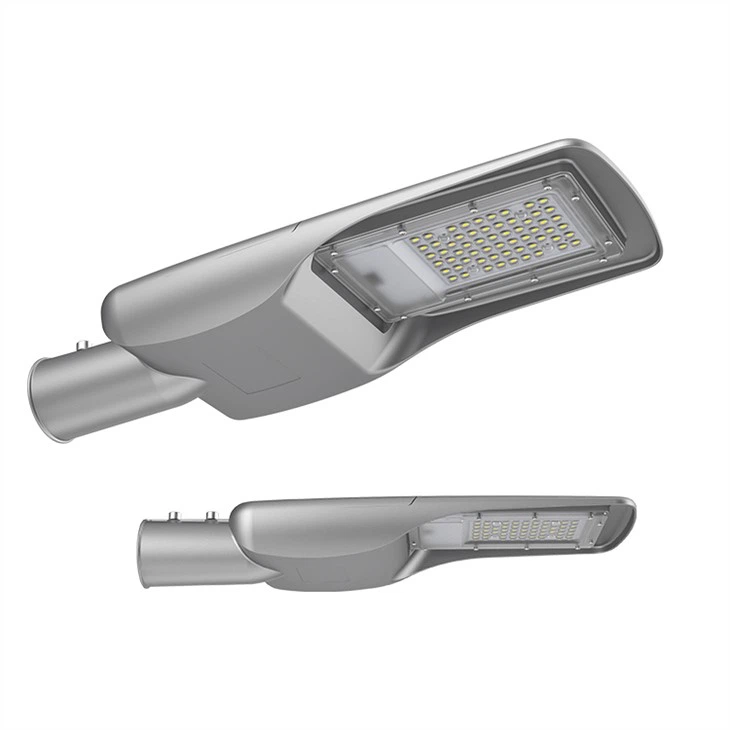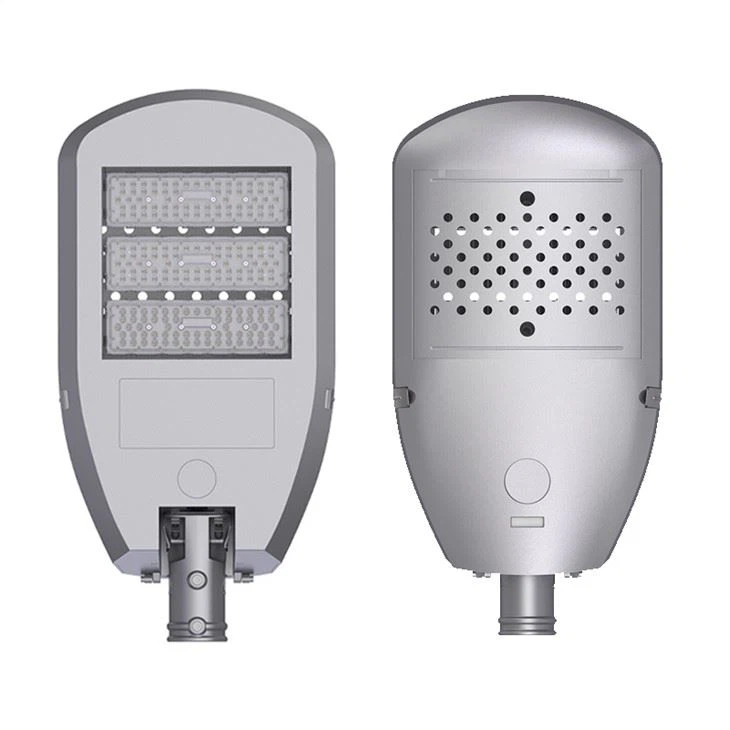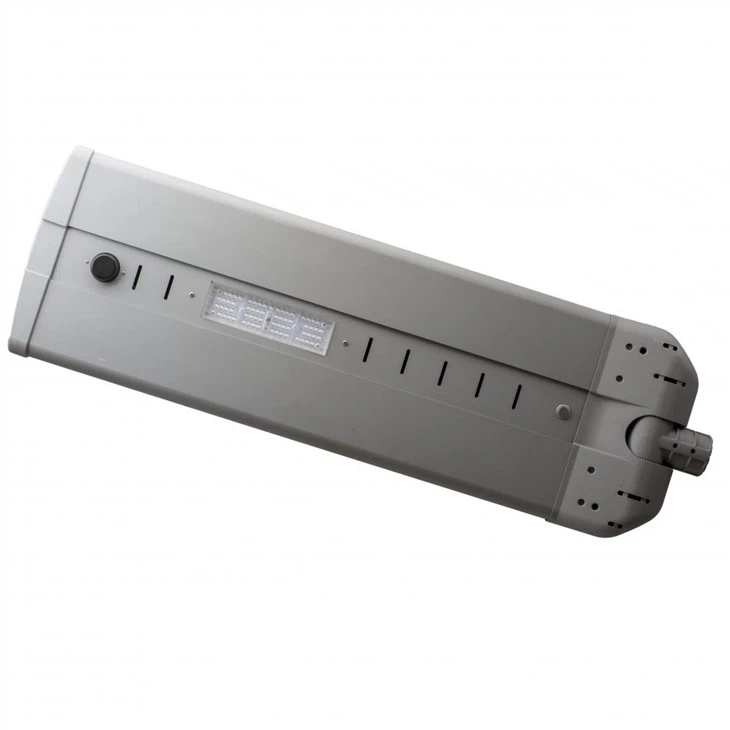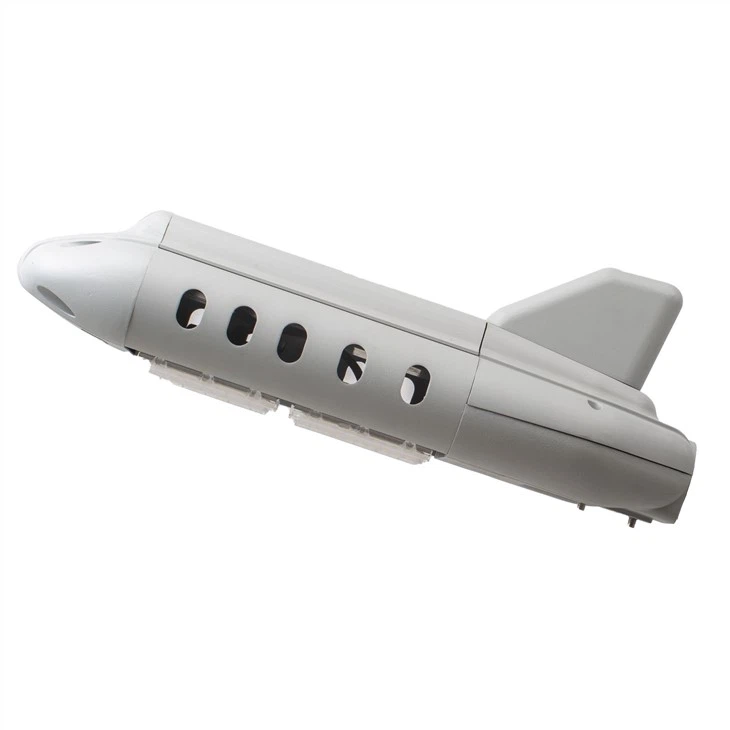
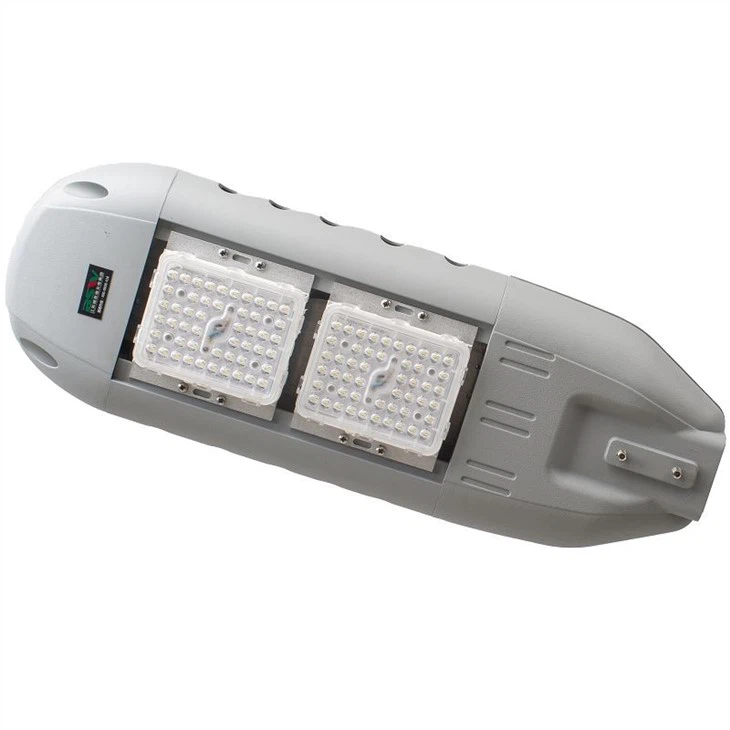
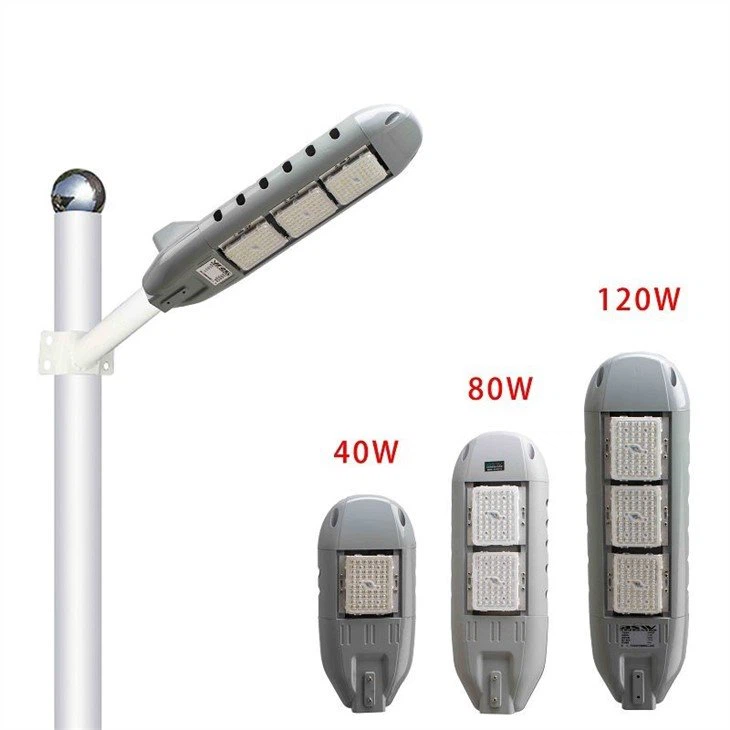
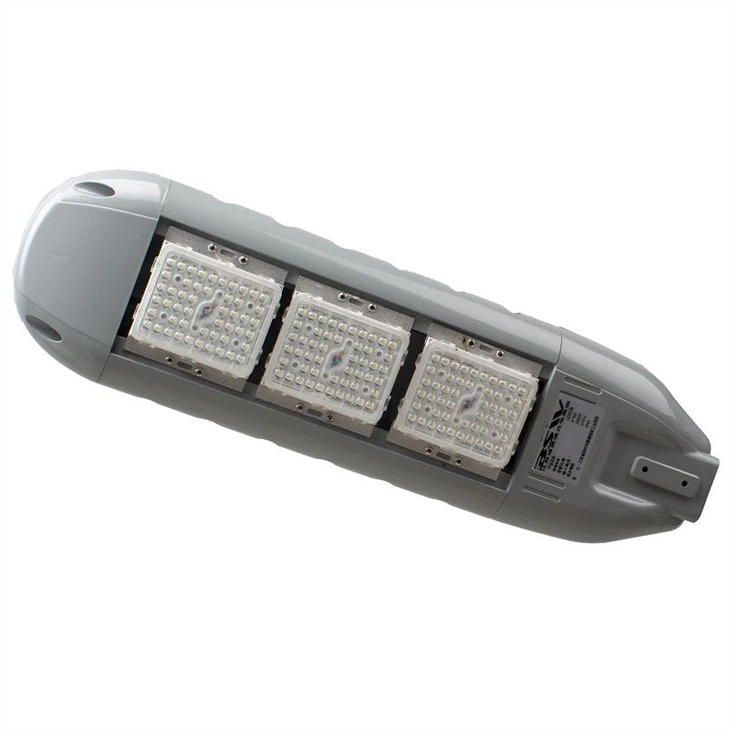
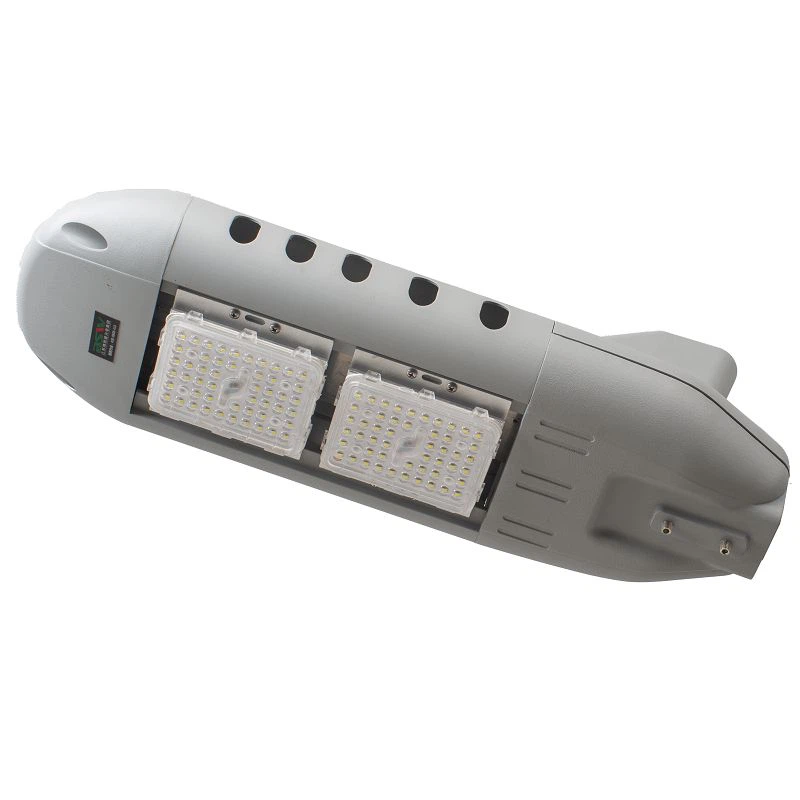

The Namkoo split solar street light allows the solar and lighting components to be positioned for the site. Compare the listed power options with the road layout, mounting height and operating schedule. The stated luminous efficacy is 130 lm/W; confirm performance for the selected configuration.
• Listed LED efficacy: 130 lm/W; verify the selected model.
• Review the housing profile and allow access for cleaning.
• A MOSO driver with surge protection is listed; confirm the supplied driver.
• Confirm the model IP rating.
• Check housing drainage and installation orientation.
• Verify the bracket and mounting dimensions.
• Agree the selected housing and quotation.
• Request the documents required for the actual model and destination.
• Confirm current pricing for the specified quantity.

Listed mounting height: 5–8 m.
Light source: high-power LEDs.
Panel options: monocrystalline or polycrystalline modules; confirm the rating.
Listed battery: sealed lead-acid; confirm the model.
Control: programmable lighting operation.
Listed lighting period: 8–10 hours.
Reference site criterion: over 2,200 annual sunshine hours.
Listed ambient range: -20°C to 60°C.
Pole: steel with hot-dip galvanizing; confirm the structural specification.
Agree the surface finish and any additional coating for the installation environment.
The reference housing uses a clip-access cover. Confirm the opening and servicing procedure for the selected model.
Check any cover-linked power-isolation feature in the model instructions before maintenance.
Review ventilation and heat-dissipation requirements for the installed orientation.
Road-Junction Lighting Example


Rural Road Lighting Example


Outdoor Street Lighting Example
Planning a Split Solar Installation
A split configuration separates the solar panel from the luminaire. This allows panel placement to be considered alongside the lamp position, but requires coordinated mounts and cable connections. Review the layout, solar exposure and service access before choosing the complete assembly.
Component Checks:
Panel Specification: Review panel rating, orientation and shading. Energy collection varies with weather and season, so storage must suit the intended lighting schedule.
Lamp Specification: Compare actual input power, output and optics at the proposed mounting height. Select the luminaire from the lighting requirements.
Housing and Mounts: The reference describes an aluminium-alloy luminaire housing. Confirm its finish, protection rating and mounting details for the selected configuration.
Operating Programme: Agree automatic switching and dimming times. Record the approved controller settings for commissioning and maintenance.
Project Cost: Compare the complete equipment, installation and maintenance scope. Include battery replacement and any separately supplied pole or foundation work.
Road Junctions
Review pole positions and light distribution where routes meet. Confirm the proposed installation against the lighting plan.
Rural Roads
Assess panel exposure, road width and operating hours when planning a solar installation.
Public Routes
Coordinate the split panel and lamp arrangement with the site conditions and maintenance access.
Share the layout, location and equipment requirements with Namkoo. The quotation should define the lamp, panel, battery, pole and accessories supplied, along with any project documentation.

Q1: Can a sample configuration be discussed?
Q2: What determines the production schedule?
Q3: What information is needed for quotation?
Q4: How should system voltage be selected?
Q5: How are the components delivered?



Split solar lighting should be planned around panel exposure and the required light distribution. Send the site location, pole drawing, nightly lighting hours and quantity for a configuration review. Namkoo can discuss panel, battery and lamp options. Confirm the exact operating and charging temperature limits in the model documentation before installation.