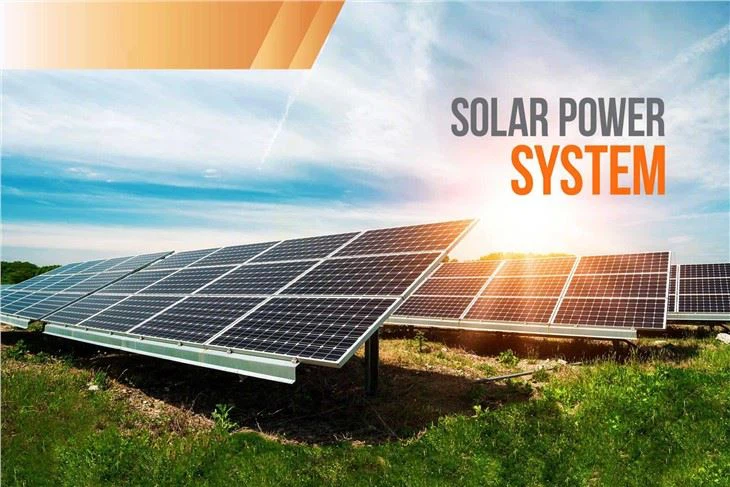
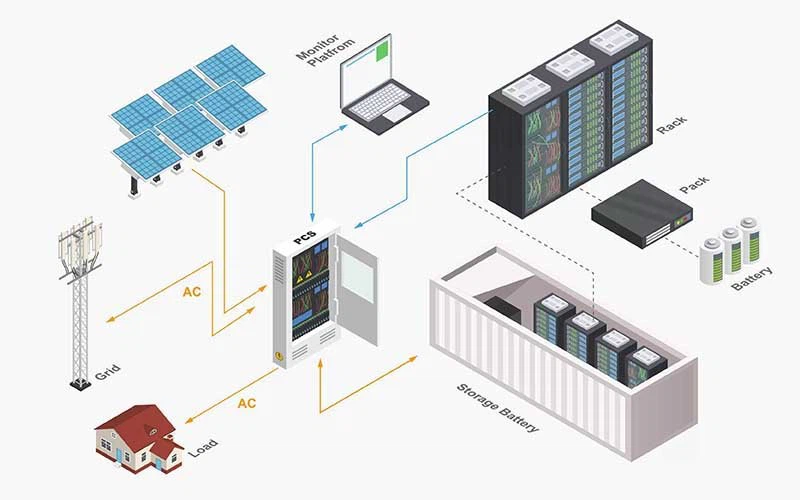

A photovoltaic system converts sunlight into electricity for industrial or commercial premises. Plan the array and inverter arrangement around the building, daytime demand and connection requirements. Grid-connected and off-grid configurations need different equipment and design.

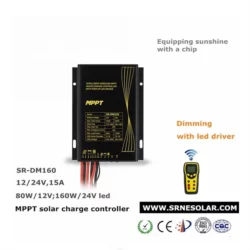
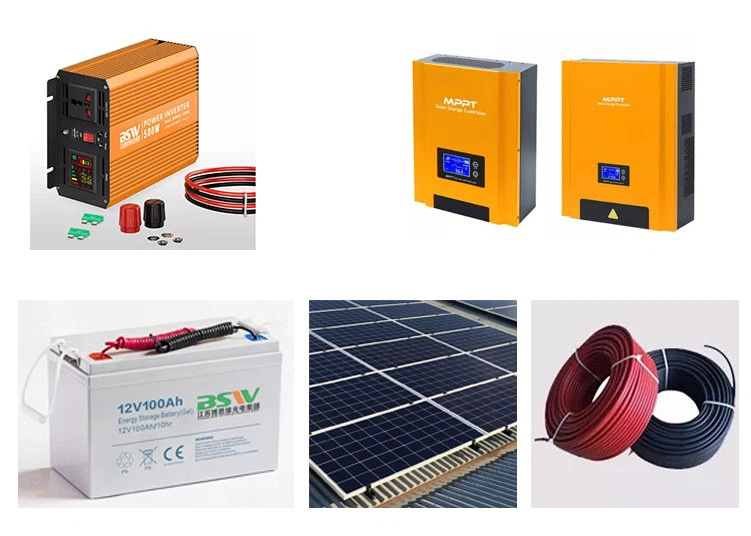
Storage Option: MPPT Charge Controller

Tracks the PV array maximum power point within its input limits.
Confirm the supported battery chemistry, voltage and charging profile. Lithium use requires compatible settings and battery management.
Lead-acid charging may use bulk, absorption and float stages; follow the battery specification.
Confirm overvoltage, reverse-polarity and battery-disconnection protection for the selected model.
MPPT tracks operating power; it does not simply select the highest voltage.
Verify battery compatibility before connection.
| Reference Model | SCR-001 |
| Control Method | MPPT solar charging |
| Listed Tracking Efficiency | ≥99.5% |
| Standby Consumption | 0.5W~1.2W |
| Maximum PV Voc | DC150V |
| Battery Compatibility | Sealed or flooded lead-acid; confirm any other chemistry and its required charging profile |
| Rated Charge Current | 30A |
| Charging Profile | Bulk, absorption and float for compatible lead-acid batteries; confirm settings |
| Protection Reference | Overvoltage, reverse polarity and battery-disconnection functions; confirm model documentation |
| Net Mass (kg) | 1.25 |
Storage Option: Gel Battery
Gel batteries are sealed lead-acid storage devices. Size capacity for the required usable energy and operating cycle, and follow the specified charging voltage, current and temperature limits. Provide ventilation and inspection access. Battery storage is a separate design choice and is not required in every grid-connected commercial PV system.
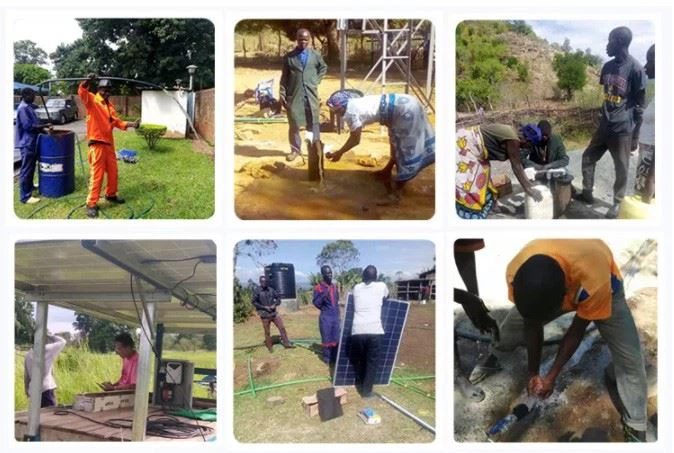
Plan a Namkoo building PV system around daytime consumption, available roof area and the electrical connection. Confirm whether the project is grid-connected, hybrid or off-grid before selecting inverters and storage. Roof loading, shading, access and protection requirements should be reviewed with the installation design.
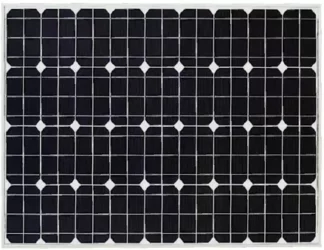
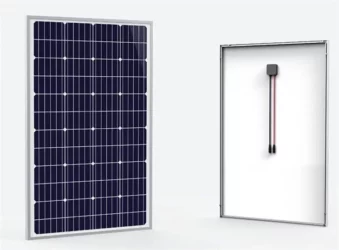
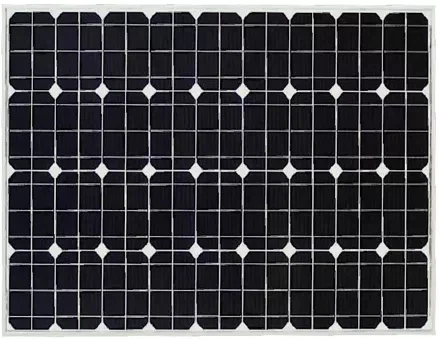
Array Performance: Choose modules by rated output, tested efficiency and usable installation area. Generation varies with sunlight, temperature and shading; confirm the actual panel model.
Energy Economics: Estimate self-consumption and operating costs using the site load profile and applicable tariffs. Confirm any export or incentive arrangements locally.
Site Conditions: Check mounting loads, weather exposure and electrical protection. Storm conditions can reduce solar generation; structural suitability does not guarantee constant power.
Future Capacity: Plan expansion around roof space, inverter inputs, connection limits and component compatibility. Confirm allowances in the initial design.
Energy Planning: Estimate annual generation and displaced purchased energy using the project location and measured consumption profile.
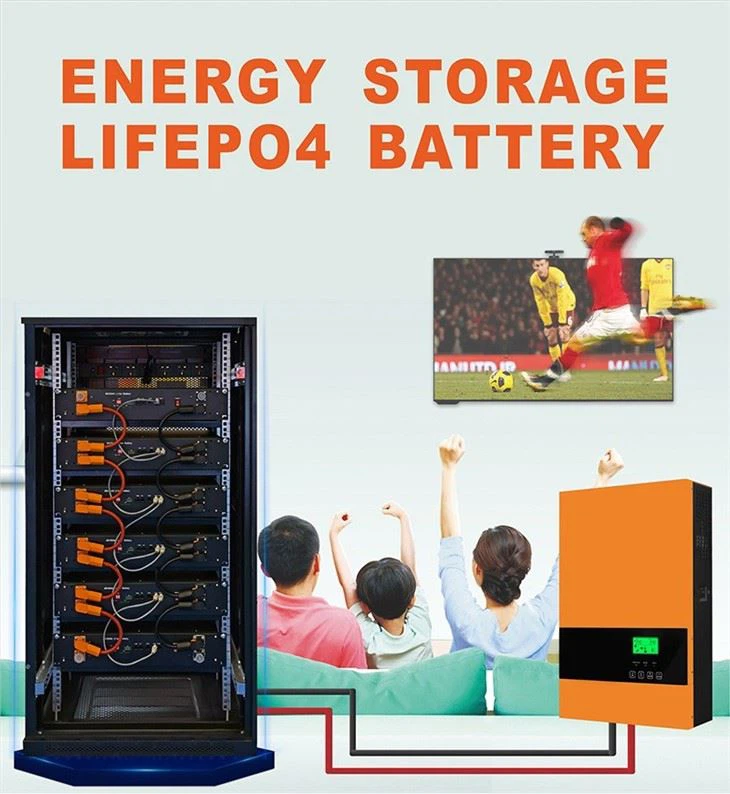
Optional Storage: Specify batteries when backup or energy shifting is required. Confirm usable capacity, charging limits and control integration for the selected system.
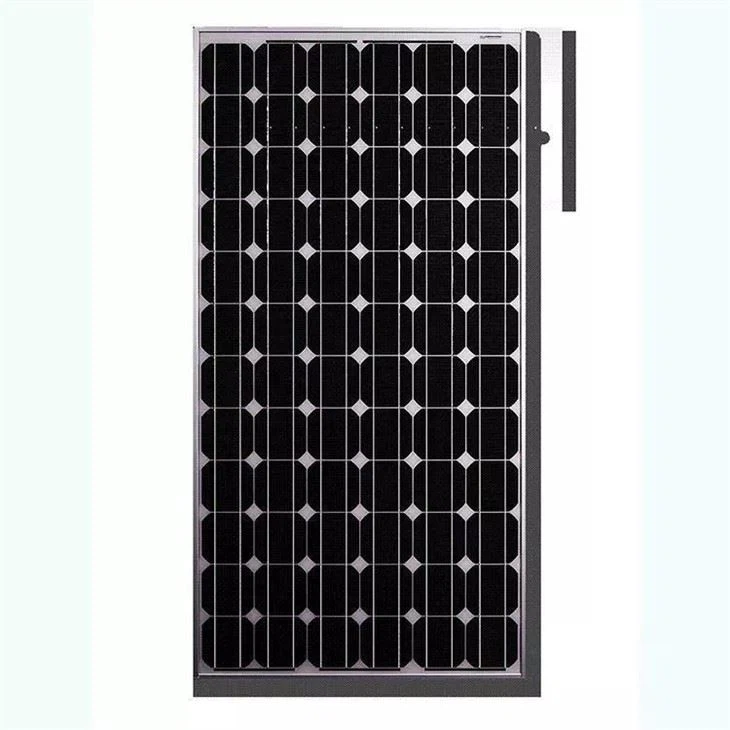
Monocrystalline Option
Polycrystalline Option
Gel Lead-Acid Battery
LiFePO4 Battery



For a building photovoltaic enquiry, provide electricity consumption records, daytime demand and the available mounting area. Include site drawings and any restrictions affecting the installation. Namkoo can discuss equipment selection and supply scope. Confirm the final system design, structural suitability and connection requirements with the project team.