

Plan a 50 kW solar installation around your business electricity demand and available mounting space. Photovoltaic panels, inverters and supporting components form the system. Output and potential savings depend on local sunlight, shading, consumption patterns and the final design.
Load Applications:
Installation and Service:
Energy Performance:
A Namkoo 50 kW commercial solar enquiry starts with the site load profile and available roof or ground area. Confirm the intended capacity basis, connection mode and output requirements, then select the PV array, inverter and optional storage as a coordinated system. Request a project-specific bill of materials rather than relying on generic component examples.
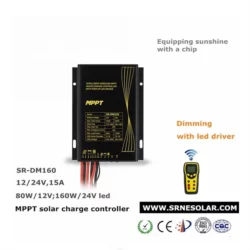
Solar panels produce DC electricity, while the selected inverter supplies the required AC output or grid interface. Storage and backup operation are separate options that require suitable equipment and controls. The quotation should identify panel count, inverter capacity, mounting, protection and installation responsibilities for your site.
Configuration Notes:
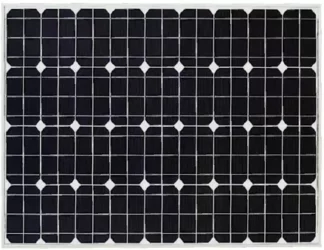
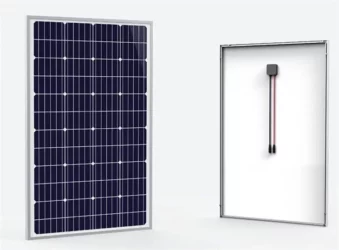
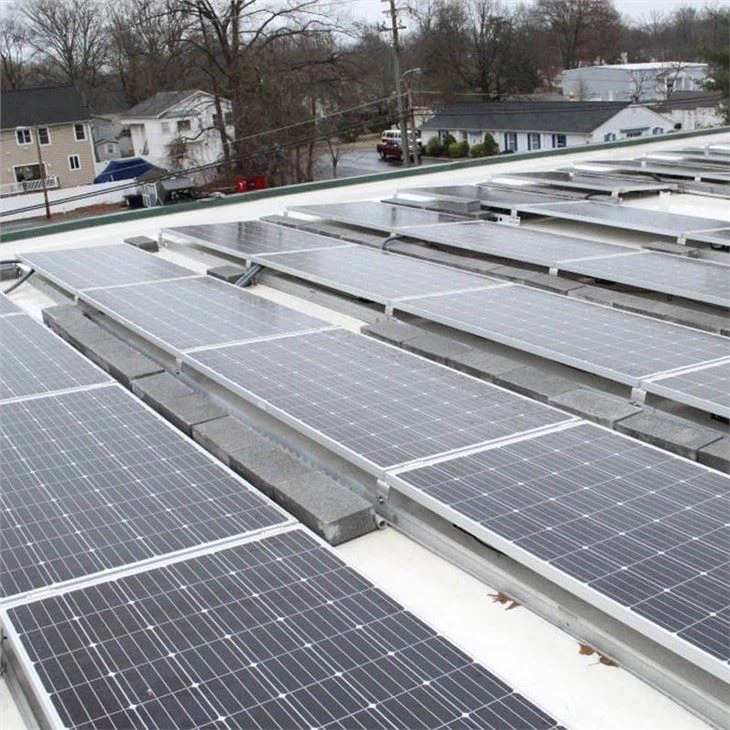
PV Module Selection: Compare rated output, module dimensions, temperature characteristics and warranty conditions. Check the array layout for shading, access and structural loading before confirming panel quantity.
Inverter and Grid Interface: Match input limits, output voltage and phase to the array and site supply. Confirm monitoring, export control and applicable connection requirements for the selected model.
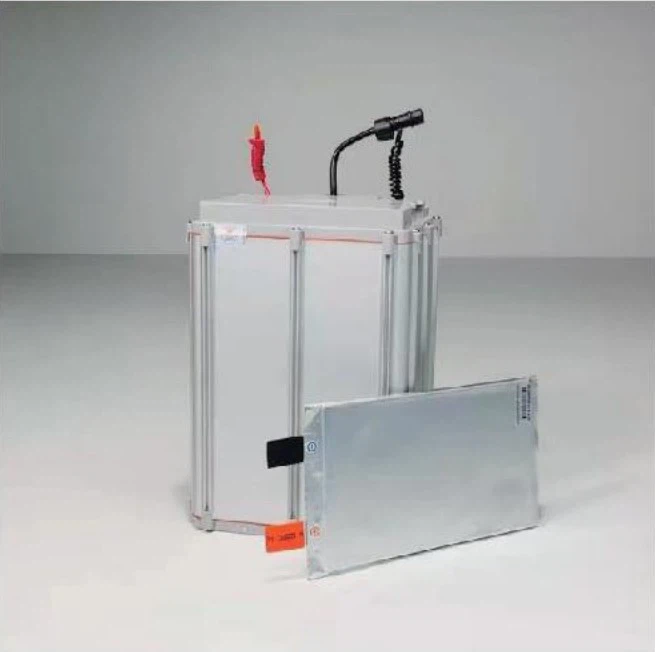
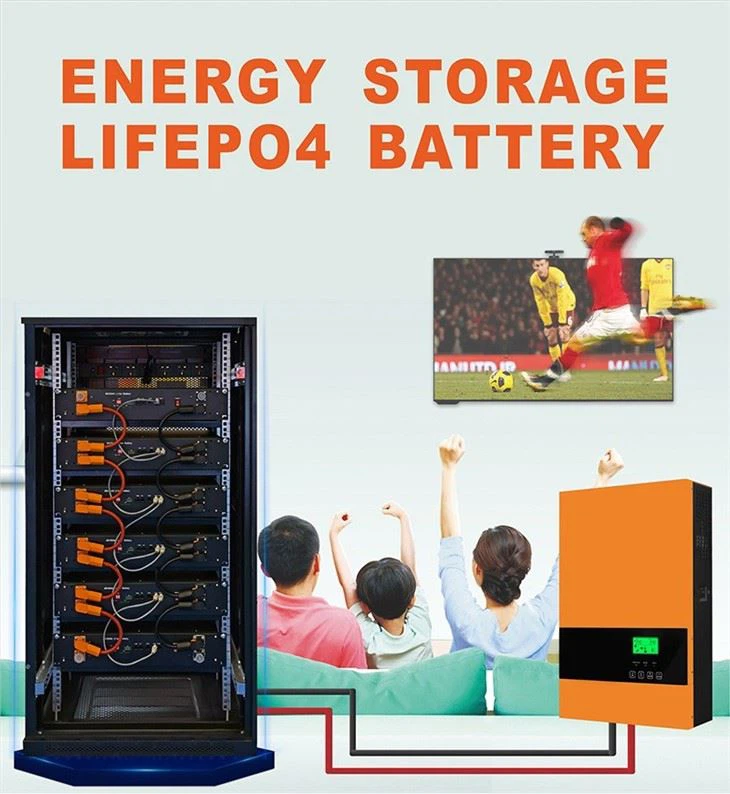
Optional Battery Storage: Specify usable energy and backup loads if storage is required. Battery chemistry, power limits, BMS compatibility and operating temperature must match the inverter and control design.
Performance and Cost Review: Use an annual generation estimate and measured consumption data to assess self-consumption and operating costs. Include installation, maintenance and any storage replacement assumptions in the comparison.
1. Planning a 50 kW Commercial System
1) Identify the commercial load and available installation area.
2) Match PV generation to the daily consumption profile.
3) Backup during a grid outage requires compatible storage, inverter and transfer equipment; confirm scope.
4) For pumping loads, provide motor rating, starting demand and daily operating hours.
5) Include essential lighting and control loads in the electrical schedule.
6) For remote communications or other continuous loads, specify uptime requirements and reserve duration. Size storage and any alternative supply using the low-sun season, and confirm monitoring and maintenance access.
2. Component Examples
Confirm the supplied models and quantities in the quotation.

3. Optional Storage Configuration

Component Selection Notes
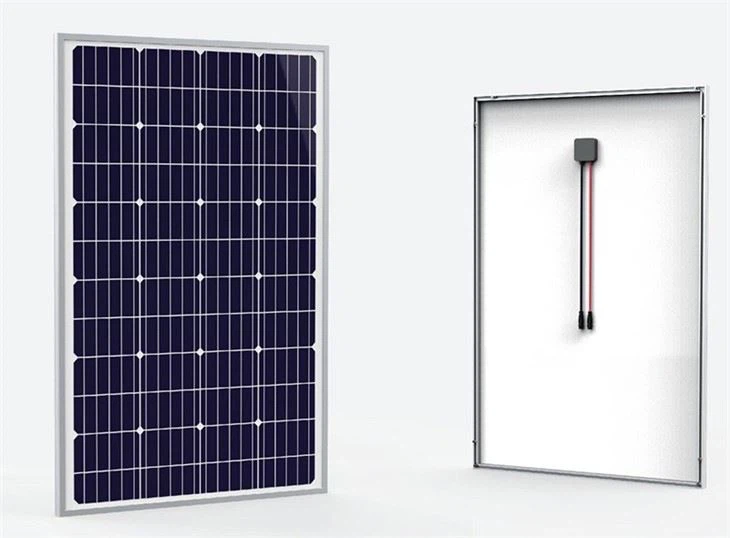
1. PV Modules

The reference efficiency range is 15–24%; confirm the tested rating for the actual module. Compare rated power, dimensions, temperature behaviour and warranty conditions. The stated 15–25-year life range does not replace model-specific product and performance warranties. Check roof loading and mounting compatibility before selecting the array.




For a commercial solar quotation, share your site location, monthly electricity use, daytime load profile and available roof or ground area. Include the supply voltage, connection requirements and any battery storage plans. Namkoo can use this information to discuss equipment selection, project quantities and delivery requirements. Confirm the final system design with your installer before placing an order.