

Portable traffic signal lights support temporary traffic control arrangements where movable equipment is required. Define the operating layout, signal coordination and power requirements before selecting units. Namkoo can discuss the product specification for your planned traffic management setup.
Namkoo Portable Traffic Signal Lights provide a movable signal arrangement for approved temporary traffic-control plans. Confirm the signal heads, controller modes, power source and communication method before deployment. Solar charging and battery reserve should match the planned duty cycle and site conditions.
For worksites or temporary access routes, send Namkoo the number of signal units and required coordination method. Confirm transport, stabilisation and operating instructions with the chosen model.
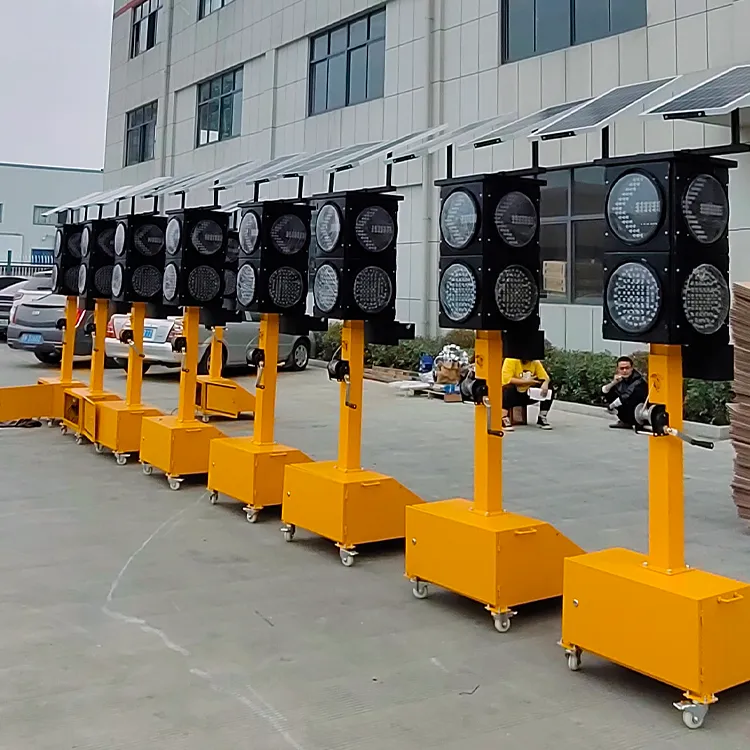
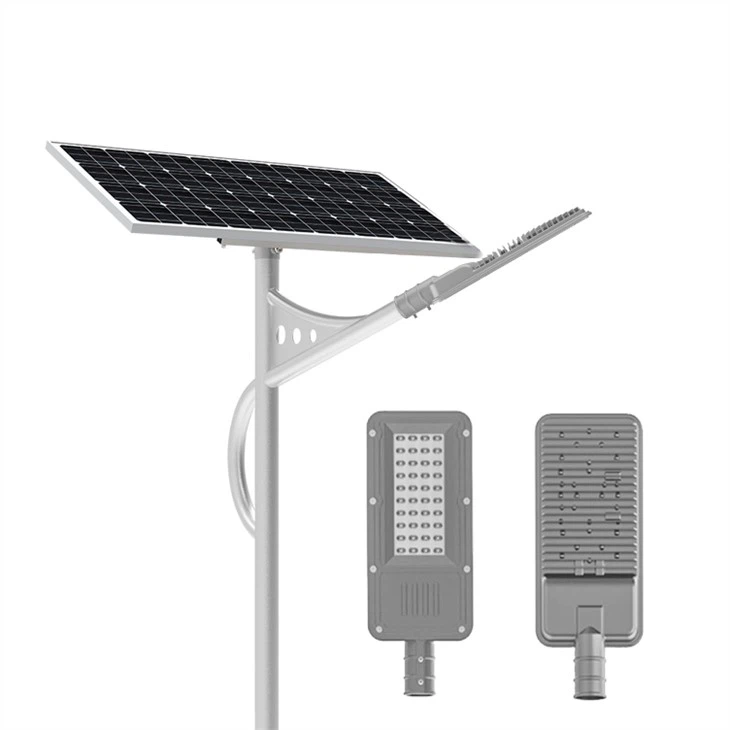
The listed reference combines a 120 W solar panel and 200 Ah lithium battery. Battery voltage, usable capacity and signal load are needed to verify the stated seven-day reserve and 6–8 hour charging time. Listed communication options include 4G LTE, Wi-Fi and optional Bluetooth; coverage and controller compatibility determine remote access. The stated operating range is -30°C to 70°C. Confirm model test data and the conditions behind the 100,000-hour LED rating.
Movable signal units can serve temporary work zones, diversions and controlled access points. The operating plan should define signal phases, clearance intervals, coordination and the response to communication or power loss. Solar charging can support off-grid operation when the panel, battery and local sunlight are matched to the duty cycle. Confirm site suitability and operating procedures before use.
Send Namkoo the site layout, operating hours and required number of signal units for a configuration review.



For portable signal equipment, share the road layout, signal positions and planned operating period. Include the required control method and power arrangement. Namkoo can discuss model options and quantities. Have the traffic management team confirm the operating plan and equipment compatibility before deployment.